


Why the ICC Stood Firm: Inside Bangladesh's World Cup Exit
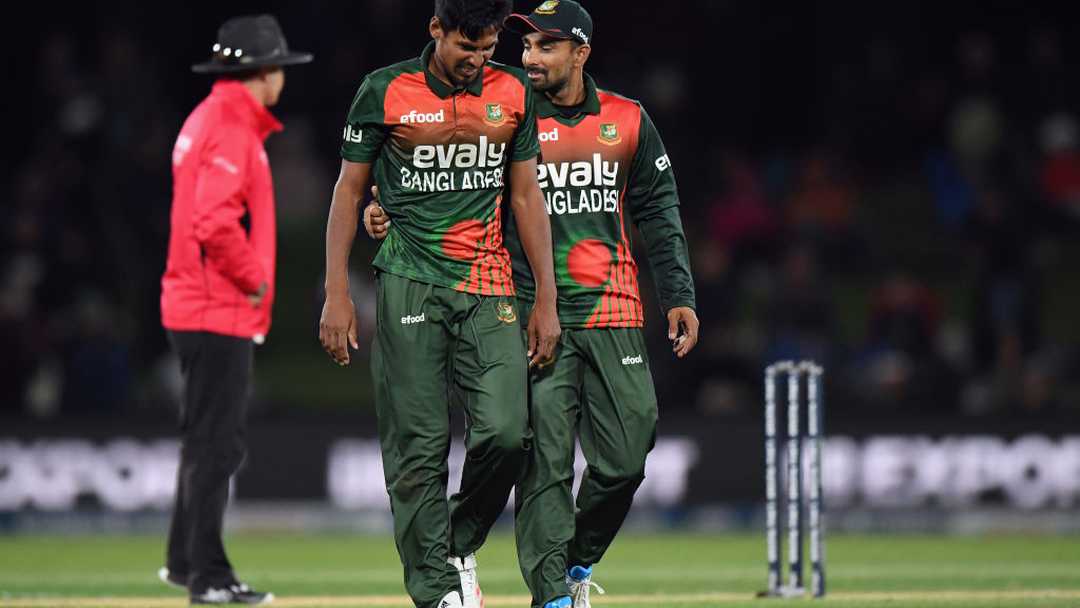
Bangladesh's exit from the 2026 ICC Men's T20 World Cup was the culmination of a weeks-long dispute, not a single flashpoint. It began after the Bangladesh Cricket Board (BCB) took a firm stance against playing in India. This followed a diplomatic standoff between the two nations, which saw seamer Mustafizur Rahman released from his IPL team on the BCCI's insistence.
The BCB's initial demand to relocate their matches to Sri Lanka evolved into a test case for the ICC on governance and precedent. The global body engaged extensively with the BCB, with CEO Sanjog Gupta holding talks. Tensions flared in meetings, with BCB chairman Aminul Islam making clear his unwillingness to accept the ICC's position.
A core issue was the ICC's independent security assessment, which concluded there was "no credible or verifiable security threat" to the Bangladesh team, officials, or supporters in India. The ICC was determined to protect the sanctity of the World Cup schedule and avoid setting a precedent where a member could demand match relocation.
The decisive moment came at a January 21 ICC board meeting. All members except the PCB and BCB rejected Bangladesh's request to move matches. The ICC then gave the BCB a 24-hour deadline to reconsider. Bangladesh did not comply, instead raising fresh objections and questioning the security assessment, which had rated the threat as "moderate to low."
The BCB countered, claiming the threat was "moderate to high." This position was seen by ICC circles as hypocritical, given the Bangladesh team had toured Pakistan for the Champions Trophy the previous year under a higher threat perception.
There were brief indications the BCB might reconsider, including during the Bangladesh Premier League final. Players, who were not consulted, reportedly saw the World Cup as a major career opportunity and preferred to play. However, the BCB remained relentless, continuing to flag potential scenarios rather than engaging with the provided assurances.
The BCB did write to the ICC after the deadline, but the governing body had little room left. On January 24, the ICC CEO informed the board that, based on the earlier decision, they were compelled to replace Bangladesh with Scotland for the 2026 T20 World Cup.
In an official statement, the ICC called it a "difficult decision," stating it was not feasible to meet the BCB's requests so close to the tournament. The ICC outlined an extensive, weeks-long process of dialogue and independent security reviews.
"The decision follows an extensive process undertaken by the ICC to address concerns raised by the BCB regarding the hosting of its scheduled matches in India," the statement said.
It detailed that the ICC had commissioned independent security assessments, shared detailed operational and security plans, and provided repeated assurances. "In light of these findings, and after careful consideration of the broader implications," the ICC stated, "it was determined that it was not appropriate to amend the published event schedule."
Related Posts
 Can Dube level it up for CSK?
 Reyneke’s last-ball six on ODI debut seals dramatic win for SA
 Tanzim Sakib nears full intensity return, targets April comeback