


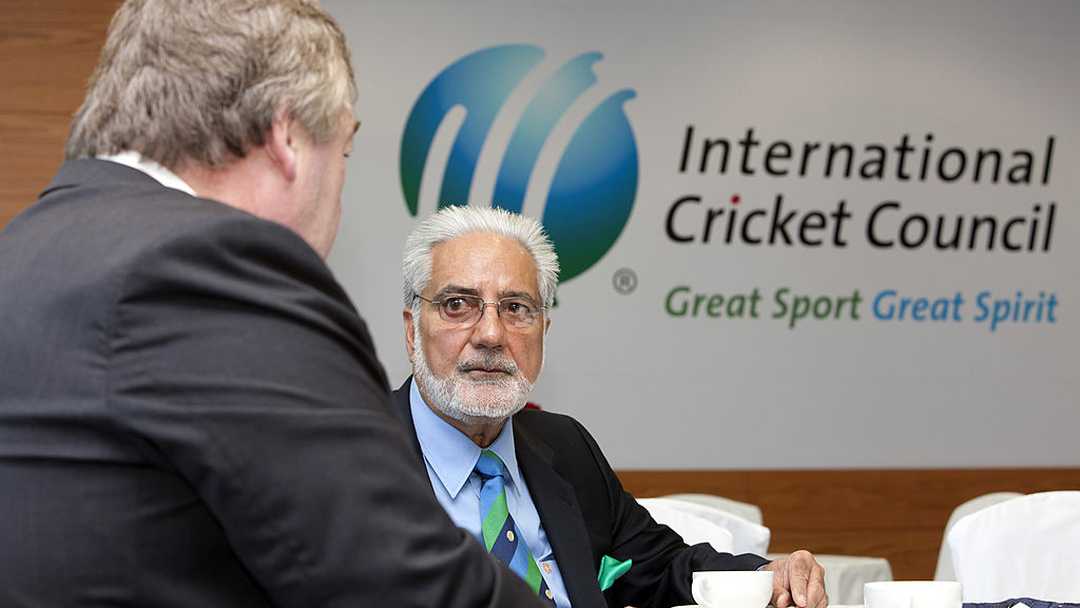
How IS Bindra Changed the Face of Indian and World Cricket
One of the enduring mysteries of Indian cricket is the fallout between Jagmohan Dalmiya and IS Bindra. They were friends, comrades, and associates in cricket administration. Their partnership was so strong that together they could move mountains—they took the Cricket World Cup out of England to the subcontinent in 1987 and again in 1996, effectively challenging English hegemony in world cricket.
What happened between them thereafter remains unknown. Bindra was influential in bringing Dalmiya down in the BCCI. The power of Dalmiya and Kolkata was neutralized by a coalition mobilized by Bindra under Sharad Pawar's leadership. The Indian cricket headquarters shifted permanently from Eden Gardens to South Bombay.
Old-timers in the BCCI only have guesses about these friends-turned-foes. The story goes that Bindra wanted to be ICC president, but Dalmiya maneuvered his way to the top. However, it was not that simple.
Initially, as BCCI president (1993-96), Bindra was disinterested in the ICC role, and Dalmiya mobilized associate members to vote for him. In those days, the ICC did not pay associate members to attend the Annual Conference. Dalmiya got about £30,000 sanctioned by the BCCI AGM to bankroll their visits to London.
Dalmiya won the election, but Australia and England blocked the result using their dubious veto power, suggesting Bindra for the post instead. This masterstroke by the traditional powers broke the friendship of the two stalwarts who had changed the axis of world cricket with their administrative acumen, marketing skills, and vision for subcontinental unity. Dalmiya eventually ascended to the ICC presidency in 1996.
The Shift Started in 1987
In 1987, the World Cup was taken out of England and brought to the subcontinent for the first time, largely due to Bindra's efforts. England and Australia doubted that arch-rivals India and Pakistan could co-host the tournament. Bindra is credited with convincing Pakistan's leader, Zia-ul-Haq, to visit India in an act of cricket diplomacy. That high-profile visit to Jaipur convinced skeptics that an India-Pakistan joint venture was possible.
Ehsan Mani, former head of Pakistan cricket, recalls: "Mr. Bindra played a key role in the 1987 World Cup coming to the sub-continent. He was instrumental in persuading Zia-ul-Haq to visit India. Zia's visit helped them realise that cricket is separate from politics."
Bindra was a strong advocate of India-Pakistan cricket. Mani adds: "Together, we came up with the Sahara Cup Friendship Series in Canada, with Mr. Bindra as the architect."
Securing the 1996 World Cup
Bindra's crowning achievement was securing the 1996 World Cup for India, Pakistan, and Sri Lanka. The ICC, still controlled by England and Australia, demanded a minimum guarantee (MG) of about $3 million before awarding hosting rights. It was a huge sum, but the Bindra-Dalmiya-Mani combine raised the funds even before securing a broadcaster.
Amrit Mathur, a member of PILCOM (Pakistan India Lanka Organising Committee), says: "Working with him was a lesson in cricket administration." The committee eventually brought Mark Mascarenhas and WorldTel on board.
When Australia and the West Indies refused to travel to Sri Lanka due to security concerns, Bindra took a hard stand, and points were awarded to their opponents. He then organized an India-Pakistan joint team to visit Sri Lanka and play a friendly match against the hosts.
BCCI's Fight for Its Rights
The modern-day financial strength of the BCCI is partly due to Bindra, who fought for the board's right to sell its media rights. Prof. Ratnakar Shetty, former CAO of the BCCI, states: "BCCI will always be indebted to him for the fight against the government, which led to the Supreme Court order that cricket matches played in India are the property of the BCCI."
Bindra was also meticulous. Shetty notes he handled the entire documentation for the 2011 World Cup and authored the BCCI vision paper after the 2005 election. He recommended, for the first time, that the Ranji Trophy champions be paid ₹1 crore in prize money.
Principles and Marginalization
A principled administrator, Bindra struggled with the changing dynamics of BCCI politics. Around 2000, he spoke about corruption in cricket on television, angering some in the BCCI who wanted action against him for bringing disrepute to the board. There were efforts to marginalize and even suspend him.
Launch of the IPL
Perhaps his most significant contribution was the launch of the IPL, which made the BCCI one of the richest sporting bodies globally. Lalit Modi, IPL founder, acknowledges Bindra's role: "He is the man who made the IPL possible. He took me to the Punjab Cricket Association and stood by me throughout. He was my godfather."
Bindra's closeness to Modi did not sit well with some in the BCCI, leading to repeated attempts to sideline him.
Legacy in Punjab and Beyond
Bindra served as president of the Punjab Cricket Association from 1978 to 2014, where his commitment to infrastructure and grassroots growth left a lasting legacy. In 2015, the PCA Stadium in Mohali was renamed the IS Bindra Stadium in his honor.
His legacy in Indian cricket extends far beyond that stadium, rooted in visionary administration and transformative battles for the subcontinent's place in world cricket.
Related Posts
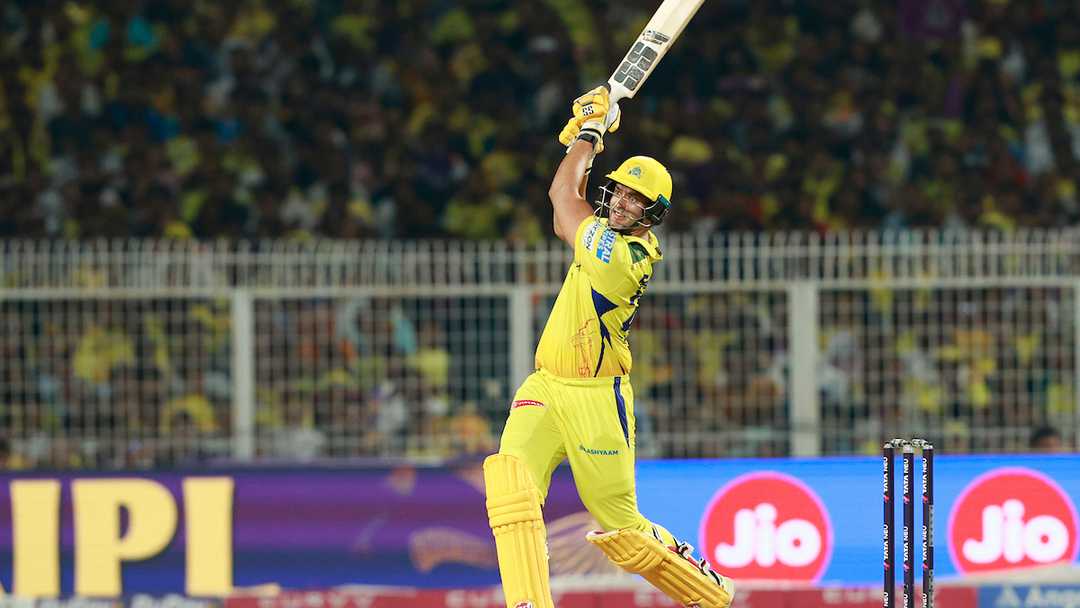 Can Dube level it up for CSK?
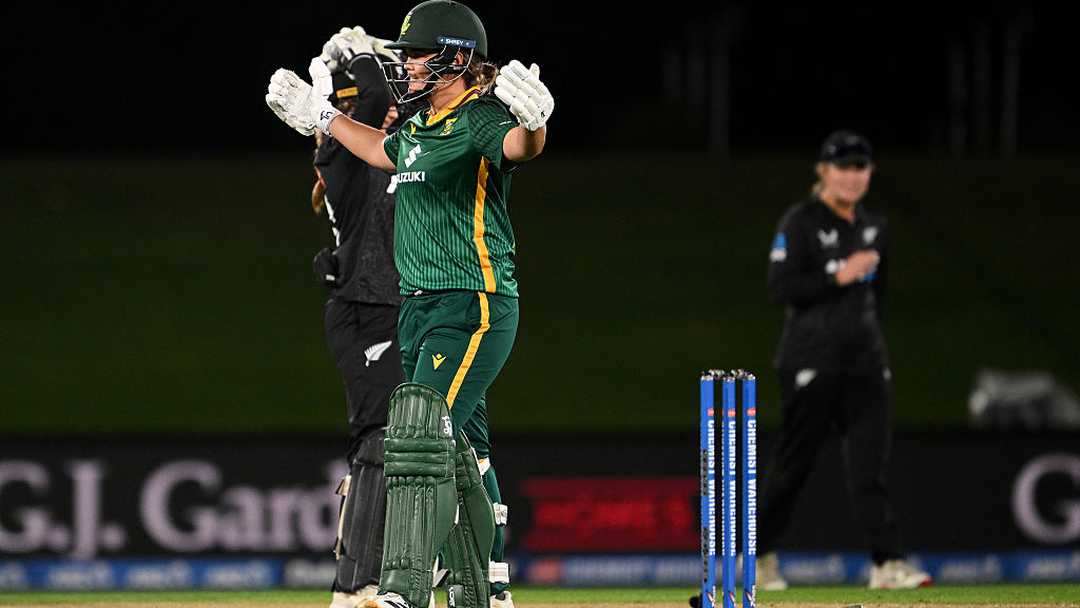 Reyneke’s last-ball six on ODI debut seals dramatic win for SA
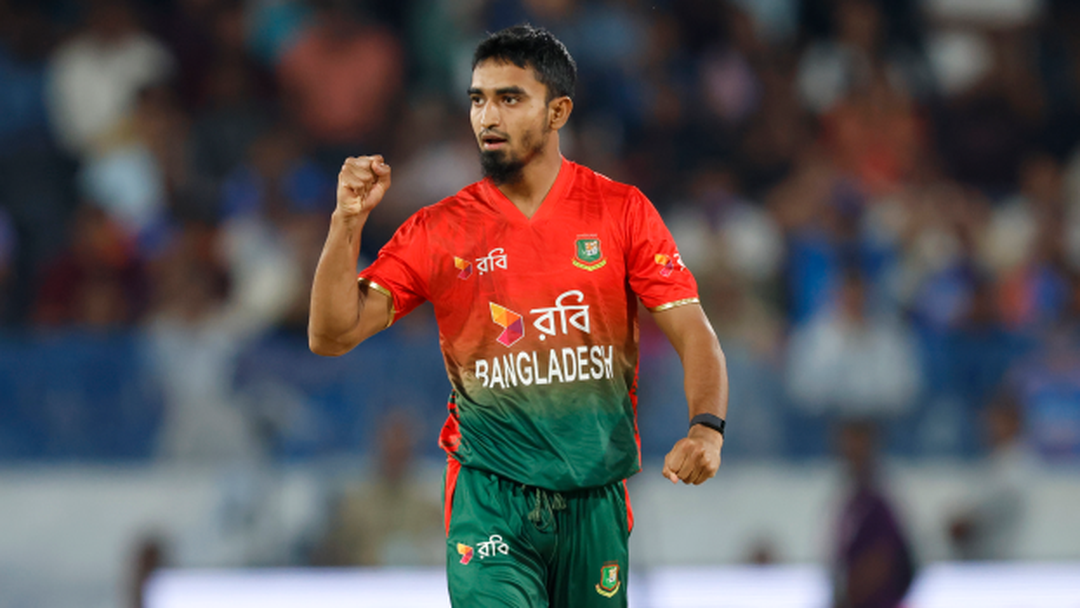 Tanzim Sakib nears full intensity return, targets April comeback