


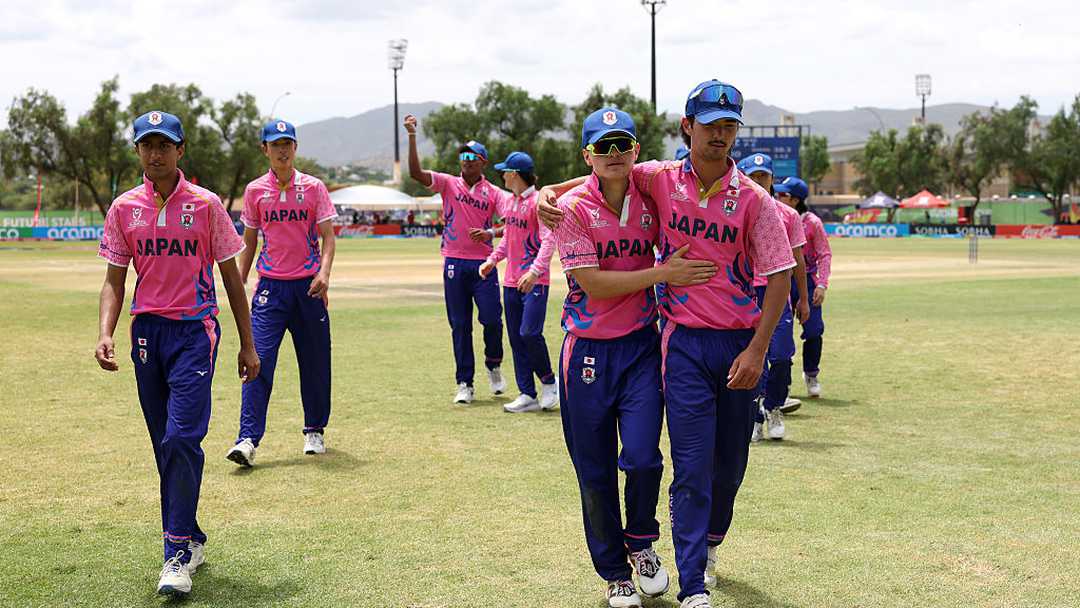
It's kuriketto, but not as we know it
We've all heard the words "Hai! Ie! Matte!"—yes, no, and wait in Japanese—vital for communication in the sport they call kuriketto: cricket.
Cricket in Japan? Yes. It has been played there since 1863, just four years after baseball arrived. Baseball boomed, becoming deeply indigenized with a distinct culture, and is played by around seven million people annually, making it Japan's most popular sport. Cricket, by contrast, has maybe 5,000 players and trails behind sumo, football, tennis, and others.
Now, a kind of "baseballification" of Japanese cricket is underway. A key performance indicator for the national men's under-19 team is clear: "We want to ensure that we speak only Japanese on the field," captain Kazuma Kato-Stafford told Cricbuzz. This emphasis on shared language reflects a broader Japanese approach—seeking a disciplined, respectful way of playing, distinct from other cricketing cultures.
Kato-Stafford, born in Brisbane and still living there for higher-level coaching, is half-Australian. His story is common in the squad: many players have one Japanese parent and another from Australia, the UK, or New Zealand, often reflected in hyphenated surnames. For these players, cricket offered an alternative in a baseball-dominated landscape.
"Growing up in Japan is just all baseball," Kato-Stafford said. "Some guys don't like it but still want a sport. They've come to cricket, enjoyed it, and stuck with it." Baseball burnout by age 18 is real, making cricket—"baseball's quieter, quirkier, less ubiquitous cousin"—an attractive option.
Unlike many non-traditional cricketing nations, Japan's under-19 squad isn't heavily drawn from South Asian communities. Only three of the 15 players have such backgrounds. Alan Curr, chief operating officer of the Japan Cricket Association (JCA), notes the South Asian population in Japan is growing but remains a minority. Team selection focuses on Japanese passport holders, with eligibility for events like the Asian Games a key consideration.
The Asian Games in Nagoya this September and October are a major target, as they serve as qualification for the 2028 Los Angeles Olympics. Support from the Japan Olympic Committee has enabled the JCA to hire more coaches, a strength and conditioning specialist, and an analyst—roles standard in established cricketing nations but new for Japan.
Sponsorship by Mizuno, Japan's global sports equipment giant, signals serious intent. "If Mizuno back you, you must mean business," the article notes.
At the recent under-19 World Cup in Namibia and Zimbabwe, Japan showed progress. After heavy losses to Sri Lanka and Australia, and a tight defeat to Ireland, they secured a nine-wicket win over Tanzania with 21.4 overs to spare. Though they exited after the first round, it was an improvement.
This was Japan's second appearance at the tournament. Their debut in 2020 was underwhelming: they lost five games heavily, were bowled out for low scores (41 by India, 93 by England), and finished last. Progress is now visible: posting 201/8 against Australia and 247/9 against Ireland, with notable individual performances like Hugo Tani-Kelly's unbeaten 101 against Sri Lanka and 79* against Australia.
"The difference in maturity, experience, and cricket skills is poles apart," Curr said, comparing the 2020 trailblazers to the current, more seasoned group. "They made us realise it was possible to qualify for the World Cup."
Beyond cricket, the sport is strengthening family ties. Curr shared that for many players who split time between Japan and another country, cricket has given them an extra reason to return, much to the gratitude of grandparents.
As Kato-Stafford put it: "I love Japan. I love the culture, the food; just everything about it. If I could go back to only one country for the rest of my life, I'd choose Japan."
Seems fair. Japan, after all, chose him.
Related Posts
 West Indies Women vs Australia Women,2nd ODI,Australia Women tour of West Indies, 2026,2026-03-29 19:00 GMT
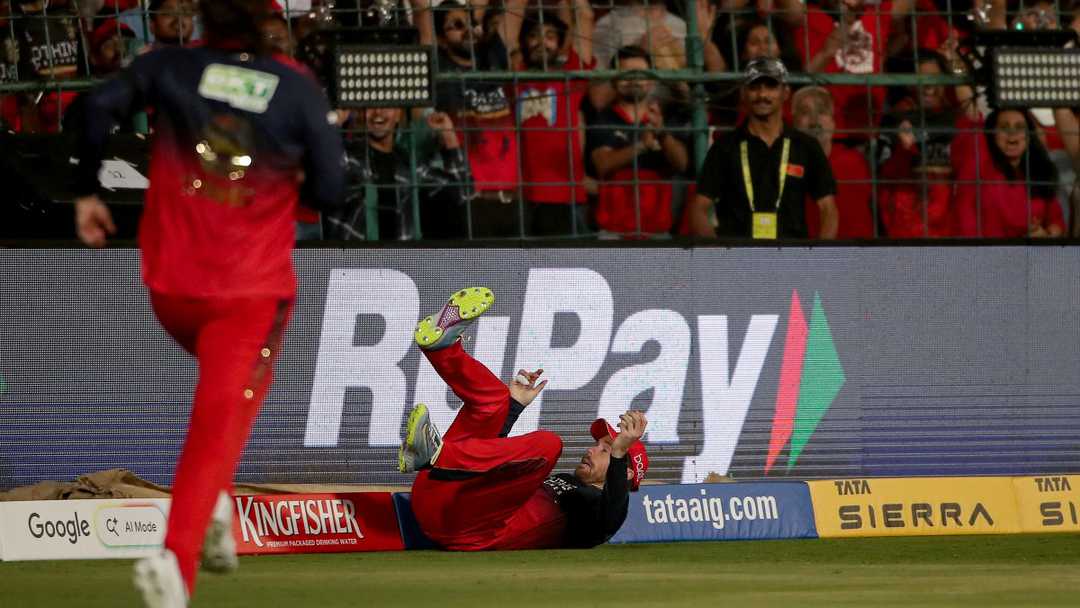 IPL Pulse: Salt flies, Duffy lands
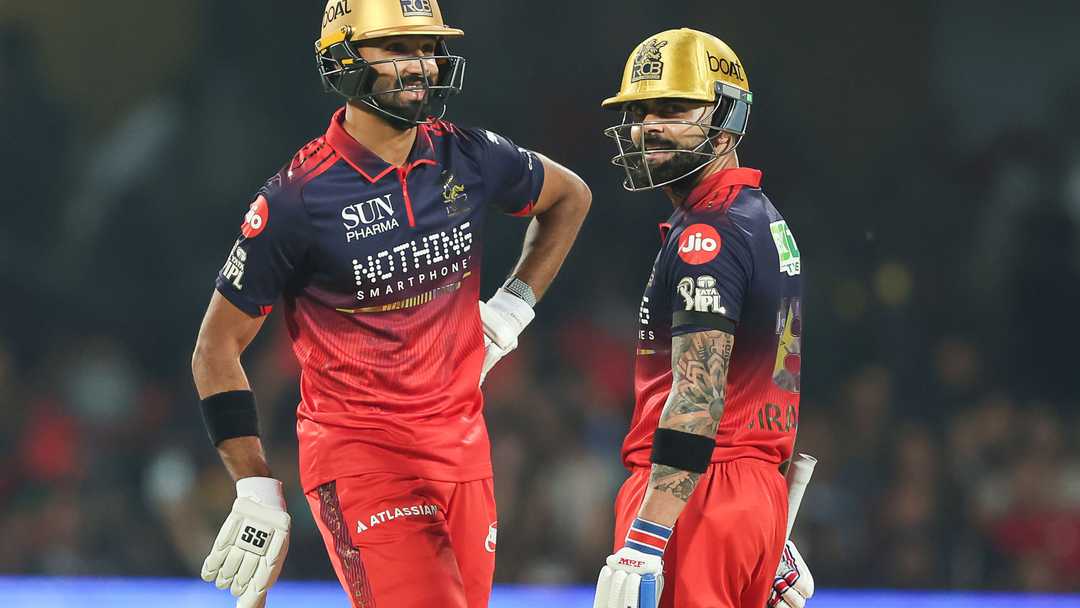 ‘Kept putting him back on strike’: Kohli hails Padikkal’s ‘phenomenal’ knock