


Pact after burning midnight oil, sleepless nights and flying miles
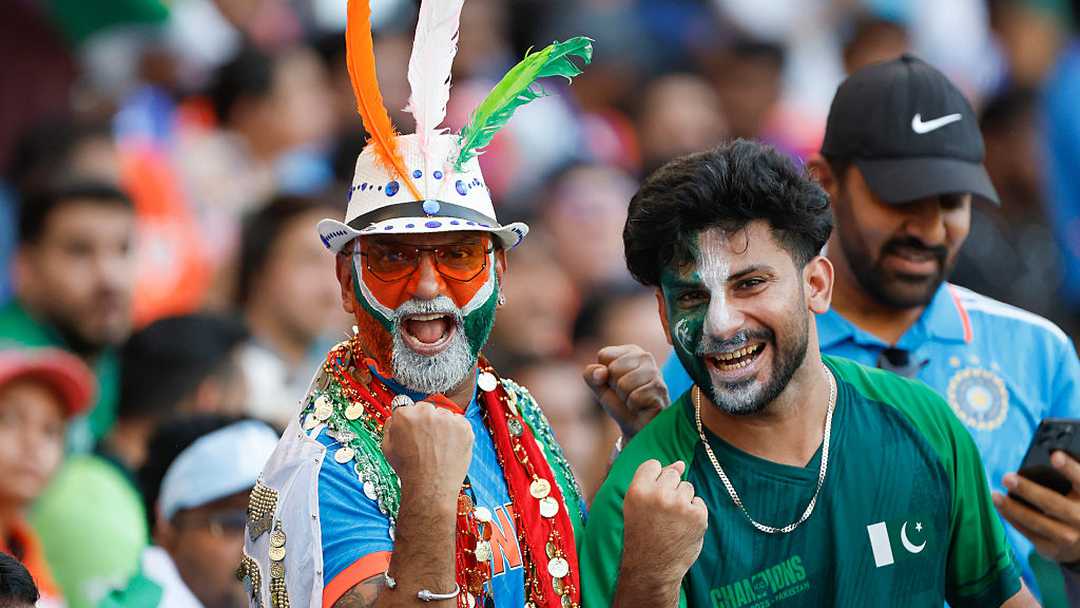
The India-Pakistan match is back on track for February 15 in Colombo. The Pakistan Cricket Board (PCB) returned to negotiations, reversing its earlier threat to boycott the high-profile game. The alternative would have risked severe sanctions.
Resolution required intense effort—late nights, extensive travel, and prolonged discussions. ICC deputy chief Imran Khwaja negotiated in Lahore, while CEO Sanjog Gupta and his team worked behind the scenes from Mumbai after flying from Colombo, handling crucial talks over 48 hours.
The ICC aimed to protect the tournament's integrity and the interests of fans who had booked travel and accommodations for Colombo. The PCB's stance was adversely affecting genuine cricket supporters.
Engaging with member boards, the ICC initiated discussions with the PCB and the Bangladesh Cricket Board. A key focus was upholding arrangements for India-Pakistan matches.
The ICC maintained that Pakistan lacked grounds for demands and should play the game as per the Participation terms and the December 2024 agreement, which outlined a hybrid hosting structure for neutral venues.
Favoring dialogue over confrontation, the ICC also prioritized the tournament's overall interests. Following successful negotiations with the PCB and BCB, the ICC stated: "In that prevailing spirit, it was agreed that all members will respect their commitments as per the terms of participation for ICC events and do all that is necessary to ensure that the ongoing edition of the ICC Men's T20 World Cup is a success."
"The dialogue between ICC and PCB took place as part of a broader engagement with both parties recognising the need for constructive dealings and being united, committed and purposeful in their aspirations to serve the best interests of the game with integrity, neutrality and cooperation."
Related Posts
 Quetta Gladiators vs Hyderabad Kingsmen,5th Match,Pakistan Super League 2026,2026-03-29 10:30 GMT
Seychelles vs Eswatini,13th Match,ICC Men’s T20 World Cup Africa Sub Regional Qualifier B, 2026,2026-03-29 10:30 GMT
Lions vs Titans,Final,CSA Provincial One-Day Challenge Division One 2026,2026-03-29 09:00 GMT
Quetta Gladiators vs Hyderabad Kingsmen,5th Match,Pakistan Super League 2026,2026-03-29 10:30 GMT
Seychelles vs Eswatini,13th Match,ICC Men’s T20 World Cup Africa Sub Regional Qualifier B, 2026,2026-03-29 10:30 GMT
Lions vs Titans,Final,CSA Provincial One-Day Challenge Division One 2026,2026-03-29 09:00 GMT