


The pull of spin, the choice of seam
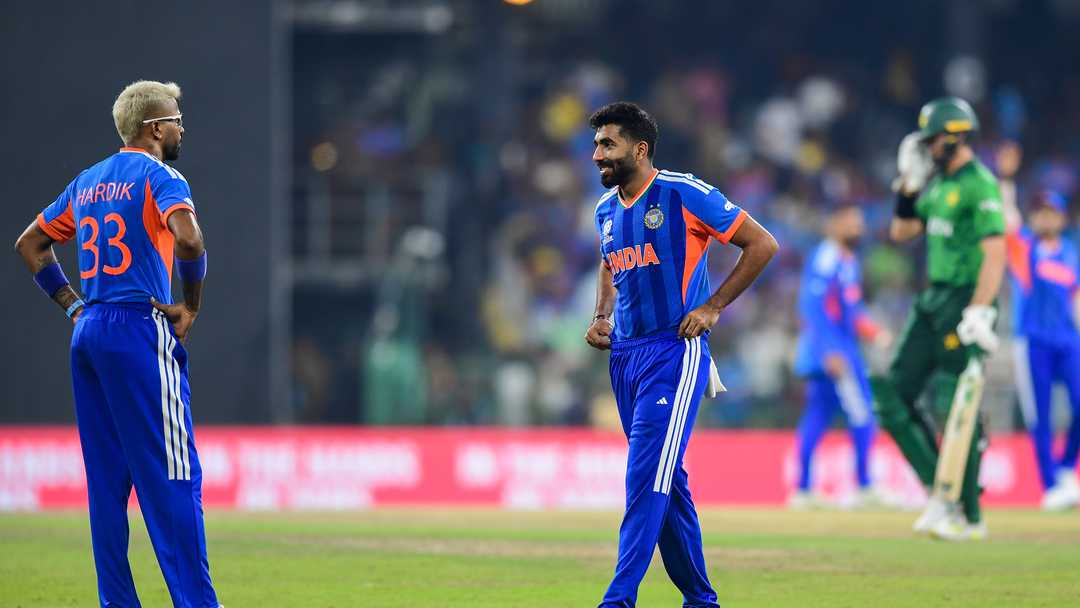
As Pakistan's nets wound down and India began to set up a day before the match, the DJ blared 'Fast Company' by the Eagles into the evening air. It was difficult not to think of those lyrics 24 hours later, as Hardik Pandya ran in to bowl to Babar Azam with two slips waiting.
This was a pitch on which Pakistan had bowled 18 of their 20 overs with spin, five of their six in the powerplay. Salman Agha, taking the new ball, had created immediate impact, dismissing Abhishek Sharma and setting an early tone that spin would shape the contest.
It would have been easy for India to follow.
They had prepared for a sluggish surface, bringing in Kuldeep Yadav for Arshdeep Singh, leaning into their slow-pitch Asia Cup template. There were enough reasons, tactical and recent, to open with spin. But Suryakumar Yadav did not.
India bowled four overs of seam in the PowerPlay instead, two each from Pandya and Jasprit Bumrah. In fact, the first genuine off-pace delivery did not arrive until the 18th ball of the innings.
So in hindsight, it made sense why Pandya had two slip catchers on a slow deck. He wasn't rolling his fingers. He came in with hit-the-deck seam and hard lengths, the kind that's served him well. That's how he rushed an in-form Sahibzada Fahan and delivered India's first breakthrough.
Then came Bumrah, bowling his opening over at an average speed of 139 kmph. His inswinger to left-handed Saim Ayub was skill, not surprise. Three deliveries later, Agha swung across the line, an option that never truly felt available on that surface.
Pandya had struck first. Bumrah followed. And before Pakistan could steady themselves, Axar Patel chimed in with another.
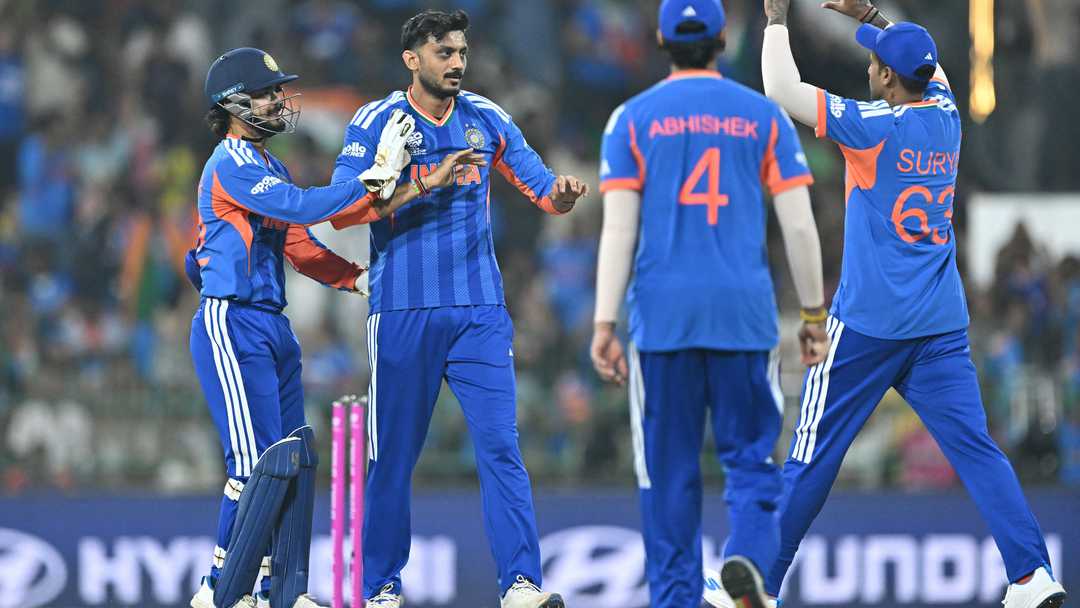
The ball from Axar that dismissed Babar Azam skidded on despite being delivered at under 85 kmph. At that pace in the first innings, Pakistan had turned it square. Here, it hurried through just enough.
It was the fourth wicket inside the PowerPlay, and the chase had unravelled before it began. If Ishan Kishan had taken the match away in the first six overs with the bat, India's seamers held it firmly in the next six by trusting what they trust best. They did not overthink the surface. They did not chase what had worked for Pakistan.
"If you look at the game, the ball spun half as much in the second innings, the ball skid on," Pakistan head coach Mike Hesson said after the match. "So there's nothing wrong with the decision to bowl first, it was the quality of the bowling in the first six overs and also the way Ishan Kishan played… took the game away from us."
"When you see a score and you know that it's probably a little bit above par, you almost feel like you've got to play like Superman and take the game on earlier than the conditions allow you to," Hesson added. "And I think we lost wickets early on to shots that I'm sure on that surface they were pretty tough options."
It was not, he insisted, the occasion. "It wasn't necessarily the occasion, it was actually a cricketing skill that let us down today."
And that is where the evening quietly turned. One side resisted the pull of what had just worked, staying with their own method. The other, chasing a total that felt just out of reach, went searching for momentum on a surface asking for patience.
Peer pressure does not always come from the crowd. Sometimes it comes from the scoreboard. Sometimes from the previous over. Sometimes from what has just worked at the other end. On this night, one side resisted it.
Related Posts
 South Africa Women vs Pakistan Women,3rd T20I,Pakistan Women tour of South Africa, 2026,2026-02-16 16:00 GMT
 India were focused on the plans, not the rivalry, insists Axar Patel