


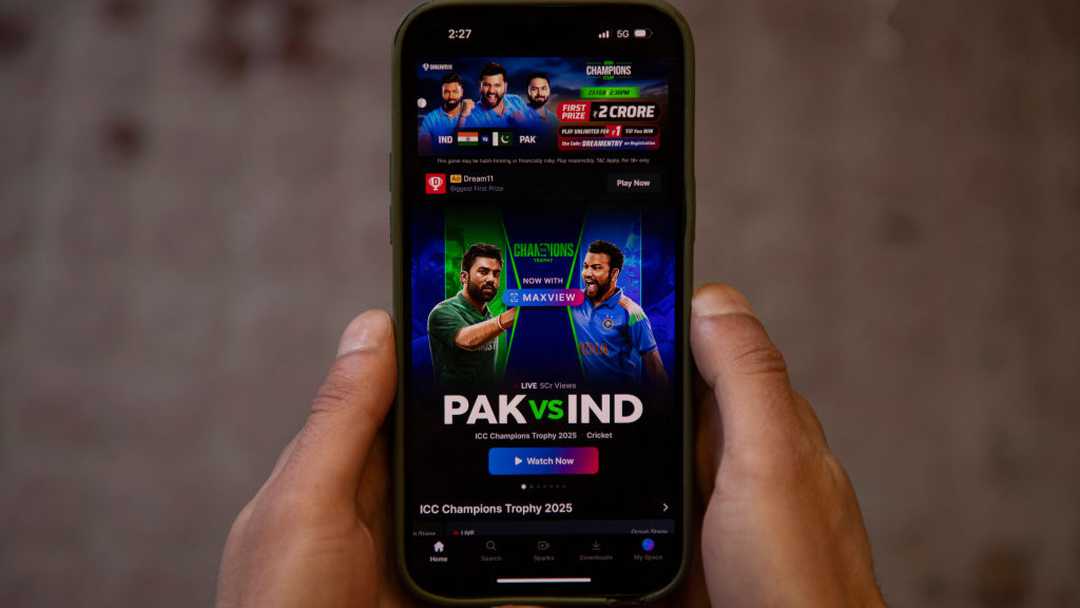
As talk swirls around JioStar-ICC deal, the ground reality is more layered
On Tuesday evening, JioStar unveiled a Twenty20 World Cup teaser, a promotional campaign for the 2026 event. This comes amid media reports and speculation that the broadcaster is looking to exit its four-year media-rights deal with the International Cricket Council (ICC).
Launching a marketing campaign does not rule out the possibility of exiting the USD 3-billion deal, but the two developments seem contradictory. "They don't add up," said an industry expert. "The contracts are watertight, and there would be bank guarantees involved."
JioStar—formerly Star Sports before a merger about a year ago—has a long relationship with the ICC, dating back to 2007. Its collaborations with the BCCI and IPL came later. After such a sustained alliance, neither party would likely want to take matters to arbitration.
The USD 3-billion deal, which Jio inherited from Star, is considered heavily overpriced. The second-highest bid at the time was Sony's USD 1.6 billion, while Jio itself had bid only USD 900 million. This deal places a substantial financial burden on the company, and the broadcaster has conveyed its concerns to the ICC.
The two parties have been in constant contact regarding this financial burden. There are two more years left in the deal.
The ICC has approached other potential broadcasters—including Sony Pictures Networks India, Amazon, and Netflix—seeking their interest in global cricket properties, asking for a response within a week. The outreach to Netflix is notable, as the company is in the process of acquiring Warner Bros. and Discovery Films, which includes a sports network.
Sources indicate such communications are part of routine commercial negotiations. However, none of these companies can realistically step in for a behemoth like JioStar.
The ICC's hands may be tied, as over 100 member countries rely heavily on their share of global revenues and have budgeted for cricket operations for the coming years. Only India and England are not dependent on ICC funding, with India in a league of its own.
While the broadcaster may be incurring heavy losses, a total exit appears unlikely. Both parties have been in discussions, including on future events, and are expected to work out a middle path. JioStar's indispensability gives it leverage to seek concessions.
The ICC has reportedly cautioned its members that revenues in the next media-rights cycle may decrease, affecting their shares. An internal Cricket Netherlands (KNCB) document mentions a substantial downturn in revenue flows after the current cycle.
"The ICC have warned to expect a 30 per cent revenue decrease in 2028 when their media contracts come up for renewal. This knowledge necessitates the KNCB to prepare immediately," the document states.
Related Posts
 Islamabad United vs Peshawar Zalmi,7th Match,Pakistan Super League 2026,2026-03-31 15:00 GMT
Punjab Kings vs Gujarat Titans,4th Match,Indian Premier League 2026,2026-03-31 15:00 GMT
Islamabad United vs Peshawar Zalmi,7th Match,Pakistan Super League 2026,2026-03-31 15:00 GMT
Punjab Kings vs Gujarat Titans,4th Match,Indian Premier League 2026,2026-03-31 15:00 GMT
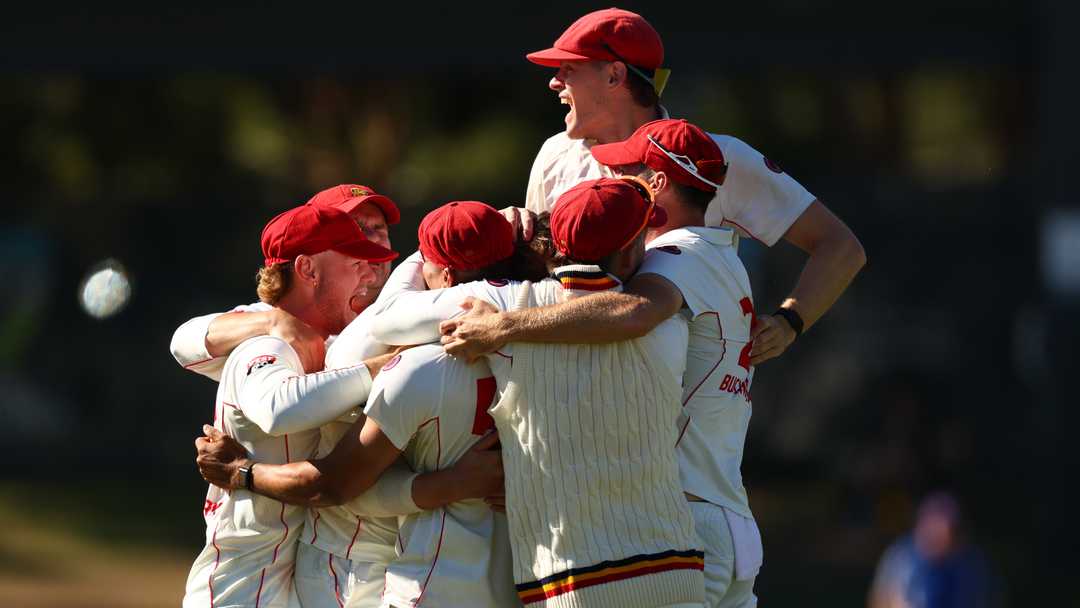 Redback-to-back: With Shield glory, South Australia become pride of state, again