


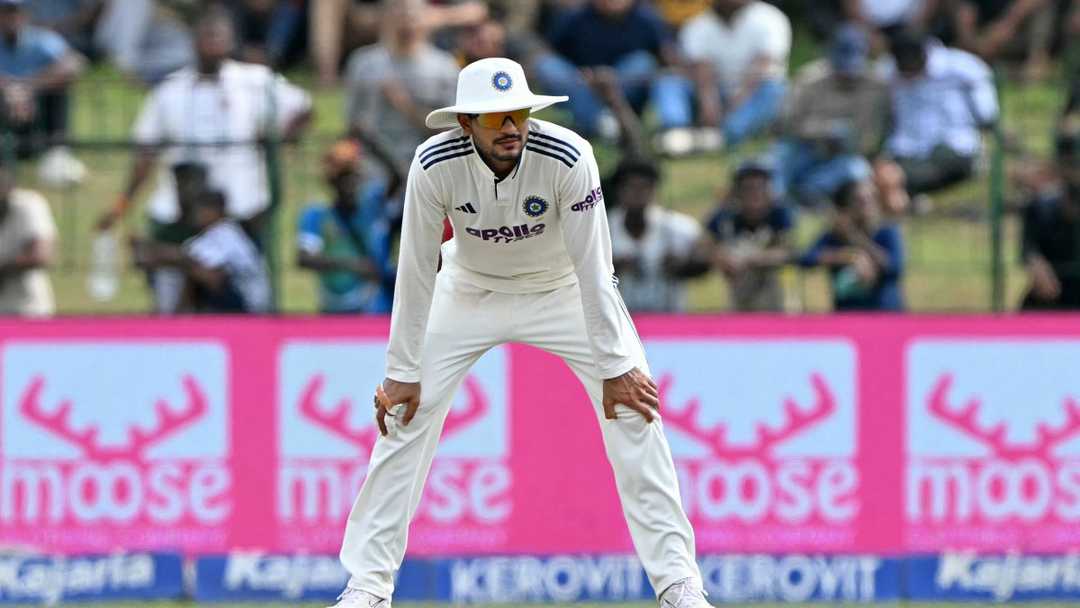
A humbling experience in patience, luck and potency
An hour into Day 5 in Colombo, Shubman Gill paused at the pitch, searching for clues, answers, potential ploys. It was the first drinks break, but he was distracted. The game was delicate. Only a wicket to end a stubborn seventh-wicket stand could have satiated the Indian captain.
This was Day 5 déjà vu. In Galle, Dhananjaya de Silva and Sonal Dinusha had held fort for an hour and a half before India broke through. Colombo came with a twist. Galle was straightforward: pick wickets, win the Test. Colombo was more complicated: pick wickets, then chase, with rain threatening to eat into overs. Conventional wisdom called for attacking fields to pick quick wickets, but the flipside was easy runs swelling the target.
It was the kind of morning where India needed more of everything: wickets, effort, luck. Sri Lanka had practically begun on 16/6, clinging to hopes of batting out hour by hour. A lot of that hope rested on Sonal Dinusha, batting as though his life depended on it.
Early on, Gill brought every trick in his Test-match copybook. Spinners got shorter spells to protect their fingers, while pacers were instructed to go short, with a short leg and leg gully waiting. But as the day progressed, Gill's demeanour mirrored India's grip on the game. The more Sri Lanka batted, the more resigned he seemed.
Dinusha and Keshara Nuwantha added 100 runs in the morning session. But such are the rhythms of Test matches that you're never out of the trenches until you truly are. In the first over after Lunch, Manav Suthar had Nuwantha edge one to Dhruv Jurel at second slip. For the next two-odd hours until Tea, India and Dinusha were locked in a game of chess. India did everything to put Prabath Jayasuriya in the line of fire, drastically shifting fields and even bowling outside leg stump at Dinusha. It was a delicate game of strike that Dinusha was mostly acing.
Suthar even went funky, bowling from over the wicket, diagonal—an unusual sight—but it didn't yield results. Soon, the game slipped into superstition territory: Mohammed Siraj did the now-popular bail switch.
Sri Lanka rode a massive slice of luck. The ball was turning big, but somehow Jayasuriya and Lahiru Kumara kept the outside edge centimetres away. Jayasuriya did it for most of his 28-ball stay while Kumara dug in for a 90-ball innings that broke India's resolve.
A day like this could be deflating for a young captain. Gill admitted to almost second-guessing his previous calls but walked away knowing his team had done everything it could.
"It gets very frustrating," Gill said. "Then you start questioning, was follow-on the best decision? Was it not? But then you have to go back in the moment and see, what can I do? Did I take the best decision in that moment? Yes, I did. Then you can't do anything about it. I think we did that. We tried all that we could."
Privately, Gill might rue the absence of Jasprit Bumrah, his ultimate man Friday in such conditions. Siraj, his fifth-day hero from last year's Oval Test, struggled for rhythm and pace all series and bowled 14 overs fewer than Prasidh Krishna.
But this result was neither entirely down to bowling quality nor conditions. The truth lies somewhere in between. For every Oval and Galle, there will be a Colombo where the final day doesn't pan out as desired, where an opposition player simply knows how to tame the conditions better than everyone else. Days like these are when captains have to swallow their pride and doff a hat to such a performer. Gill, to his credit, did just that.
Related Posts
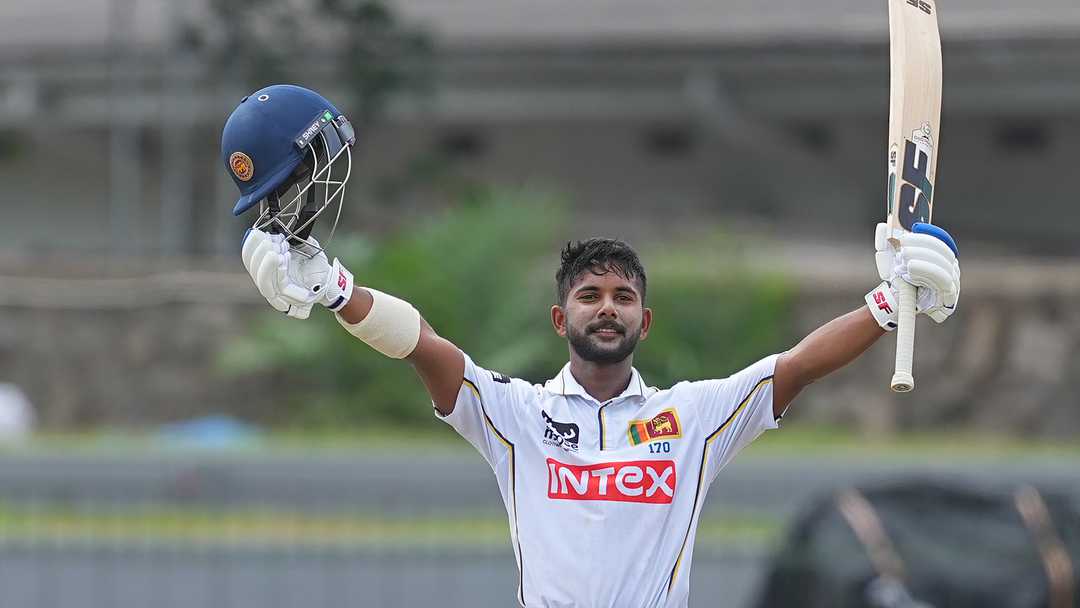 Sonal Dinusha: The making of a methodical Sri Lankan gem
 Abbas, Ali help Pakistan take honours on opening day
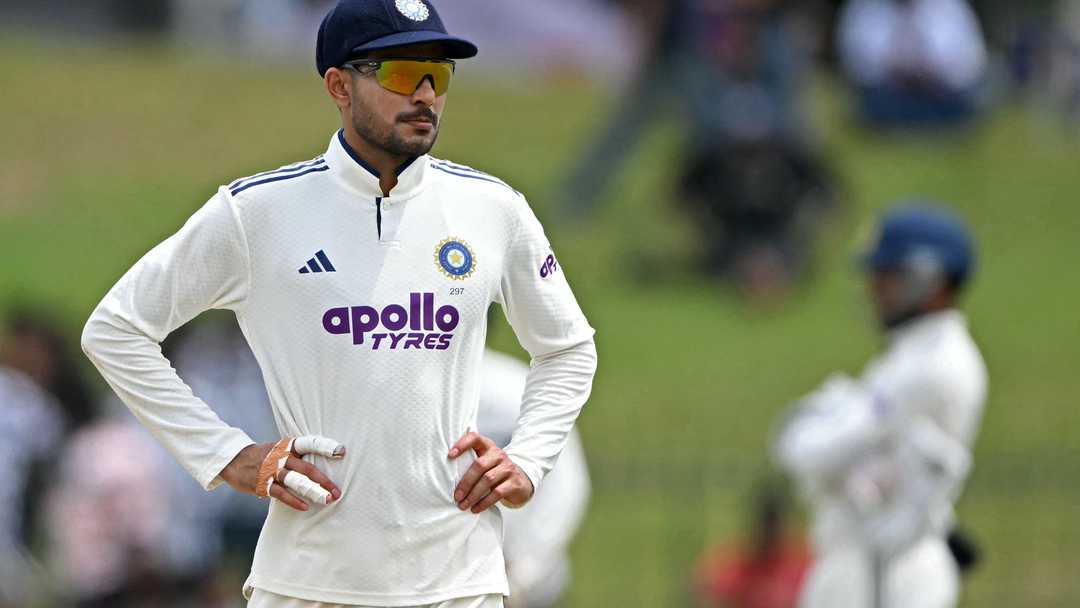 When LBW and bowled are not in play, it becomes easier to bat – Gill