


Why the legality of the Japan‑India wide call shouldn't be debated
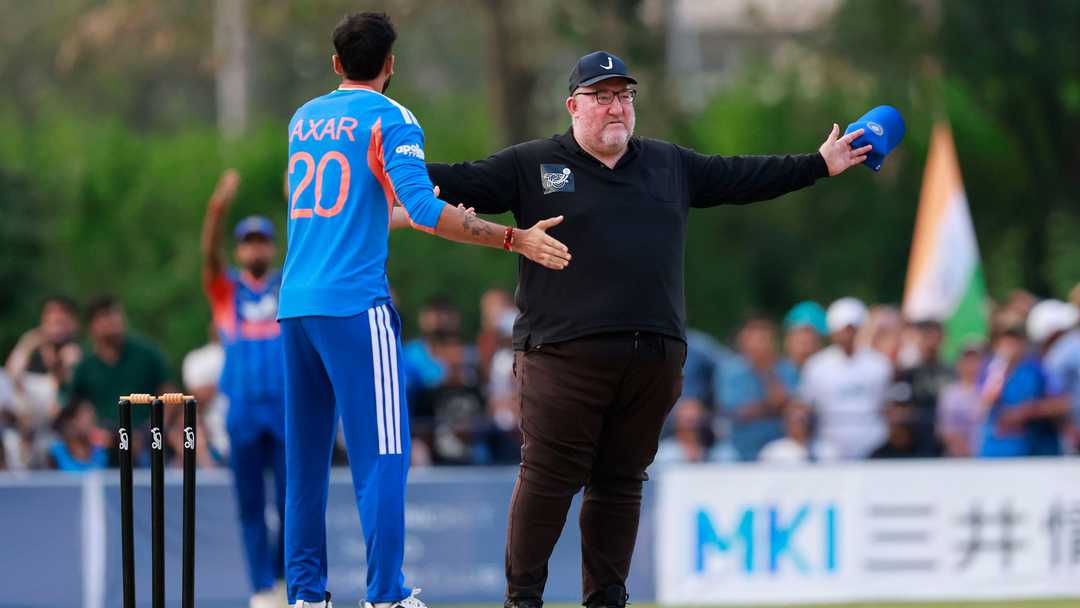
The controversy over the wide‑ball call in the Japan‑India T20I is unwarranted. The rule books and experts confirm that the umpire acted within his rights to reverse the decision, and former international umpire Anil Chaudhary says, “In the end the right decision was made.”
What happened
- Delivery: In the third ball of the final over, umpire Chris Thurgate (Japan) called a wide.
- Batter’s shot: Alexander Shirai‑Patmore attempted a reverse sweep, a shot that, according to ICC guidelines, negates the leg‑stump wide rule.
- Rule clarification: When a batter plays a reverse sweep or switch‑hit, the 75 cm wide guideline applies to both off‑side and leg‑side. The batter is deemed to have brought the ball within reach, so the ball is not a wide.
Umpire’s reversal
Chaudhary explained that umpires may consult each other and revoke a decision provided the next ball has not been bowled and time has not been called. In this case, the reversal occurred before the next delivery’s run‑up, making the correction legitimate.
Match context
India defended seven runs off the final over and won the rain‑truncated, low‑scoring match by two runs, avoiding a potential upset against Japan (ranked 41st in T20I rankings).
Media reaction
Some social‑media posts accused India of “bullying” the umpires into changing the call. Chaudhary dismissed these claims, emphasizing that the reversal was a procedural correction, not a result of pressure.
“Umpire can revoke any time, unless the next ball has come into play or they have called time. They didn’t call time. The match was not stopped. Ultimately, it is about the correct call.” – Anil Chaudhary, former ICC international panel umpire.
Related Posts
 Jacks’ all-round brilliance powers England to 89-run win over Sri Lanka
 CSK board to meet amid fixing expose